“leaf rust” search results (500)

Coffee growing environment coffee variety producing area in Indonesia
In the Dutch colonial era, coffee was grown mainly in large estates. after World War II, it experienced the process of nationalization and the movement of independence. today, about 90% of the coffee produced in Indonesia is produced by small farmers. Indonesian coffee is Arabica, and the Arabica manor was destroyed by the leaf rust disaster at the end of the 18th century. at first, the Dutch tried to grow Liberian species, and later
2016-05-31 Indonesia coffee planting environment variety producing area mode
Introduction of Fine Coffee in Ganzhuang Garden in Kahayang, Indonesia
Japan occupied Indonesia in 1942. After Japan surrendered in 1945, Indonesia broke out the August Revolution. On August 17, 1945, it declared its independence and established the Republic of Indonesia. After its independence, Indonesia successively armed against the invasion of Britain and the Netherlands, and launched three wars of independence. After 1947, the Netherlands and Indonesia signed the India-Netherlands round table meeting in November 1949 after many wars and negotiations.
2016-09-01 Indonesia Kaha Yanggan Manor Coffee Flavor Taste Fine goods introduction
Planting pattern of coffee varieties in Indonesia
At first, Indonesian coffee was Arabica, and the Arabica manor was destroyed by a leaf rust disaster at the end of the 18th century. at first, the Dutch tried to grow Liberian seeds, and later, they began to plant Robsta seeds on a large scale. At present, Arabica accounts for about 10-15% of the coffee produced in Indonesia, and the rest is Robusta. Although Liberika is productive, it is basically not included in the coffee trade.
2016-05-31 Indonesia coffee variety planting mode producing area initially
Varieties of coffee beans
Several main coffee varieties and their characteristics are introduced here. Typica, also known as Tiberka Tibika, is the closest to the native species of Arabica, where almost all Arabica varieties originate. Widely cultivated in Central and South America in the past, the bean is long in shape and has excellent aroma and sour taste, but it is not resistant to leaf rust and requires quite a lot of shading trees to lead to production.
2014-06-30 Coffee bean varieties coffee bean characteristics boutique coffee beans
Classification of Coffee in Chinese National Standard
There are more than 60 kinds of coffee, but there are roughly two varieties of coffee grown commercially on a large scale, one is Arabica, accounting for about 70 percent of the world's coffee planting area, and the other is Robasta, accounting for about 30 percent of the world's coffee planting area.
2014-06-06 Coffee knowledge national standards coffee classification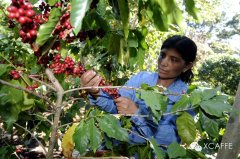
Ecuador imports pest-resistant coffee seeds to revive coffee industry
In recent years, the Latin American coffee industry has been plagued by coffee leaf rust (CoffeeRoya), and Ecuador has not been spared. Since 2012, coffee bean exports have lost a total of US $20 million, with exports of US $28.8 million, US $14.8 million and US $9.7 million respectively in the first five months of the past three years, with an annual decline of 30-40%. Coffee products made from coffee beans in 2012
2016-05-25 Ecuador imports diseases and insect pests coffee seeds revitalization in recent years Latin America
Indonesian Coffee Flavor introduced in Cahayang Gan Manor
Coffee cultivation in the Dutch colonial era, coffee cultivation was mainly in large estates. After World War II, it experienced the process of nationalization and the movement of independence. Today, about 90% of the coffee produced in Indonesia is produced by small farmers. At first, Indonesian coffee was Arabica, and Arabica manor was destroyed by leaf rust disaster at the end of the 18th century. At first, the Dutch tried to plant Liberian species.
2016-07-27 Indonesia coffee manor producing area introduction Kaha Yanggan flavor planting
Introduction to the varieties and producing areas of coffee beans in Indonesia
At first, Indonesian coffee was Arabica, and the Arabica manor was destroyed by the leaf rust disaster at the end of the 18th century. at first, the Dutch tried to plant Liberian species, and later, they began to plant Robsta species on a large scale. At present, Arabica species account for about 10-15% of the coffee produced in Indonesia, and the rest is Robusta. Although Liberika species are produced, they are basically not in coffee.
2016-06-15 Indonesia coffee beans varieties producing areas introduction coffee originally
Botanical knowledge of coffee
There are more than 60 kinds of coffee, but there are roughly two varieties of coffee grown commercially on a large scale, one is Arabica, accounting for about 70 percent of the world's coffee planting area, and the other is Robasta, accounting for about 30 percent of the world's coffee planting area.
2014-07-17 Coffee knowledge Coffee Botany Coffee Encyclopedia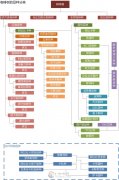
Coffee knowledge Coffee Tree Classification
Arabica Coffee and Variety improvement. What do the so-called families, genera and species of Arabica species mean in biological classification? In terms of biological classification, it is divided into boundary, phylum, class, order, family, genus and species from top to bottom, and the lower part of the species is subdivided into subspecies, varieties and varieties. Arabica coffee is generally thought to originate from the Ethiopian plateau and is widely divided.
2014-09-15 Coffee knowledge coffee tree coffee tree classification
Coffee bean production methods and production introduction
A brief history of coffee production In 1742, coffee was introduced into El Salvador from the Caribbean (one said 1740). In the mid-19th century, El Salvador's original export pillar Indigo (Indigo, a dye) gradually declined due to the development of synthetic dyes in Europe, and coffee gradually became the main export product under the leadership of the government. In 1856, the first 693 bags of coffee beans were shipped to Europe. always
2016-06-08 coffee beans production methods production introduction
Introduction to the flavor of Salvadoran coffee
A brief History of Coffee production in 1742, coffee was introduced to El Salvador from the Caribbean (1740). In the mid-19th century, El Salvador's original export pillar Indigo (one of the dyes) received a gradual decline in the development of synthetic dyes in Europe, and coffee gradually became the main export product under the guidance of the government. In 1856, the first 693 bags of coffee beans were shipped to Europe. all long
2016-06-13 El Salvador coffee flavor introduction
How much do you know about the botany of coffee?
There are more than 60 kinds of coffee, but there are roughly two varieties of coffee grown commercially on a large scale, one is Arabica, accounting for about 70 percent of the world's coffee planting area, and the other is Robasta, accounting for about 30 percent of the world's coffee planting area.
2014-07-11 Coffee knowledge coffee types coffee botany coffee classification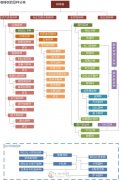
Classification and selection of coffee trees
Arabica Coffee and Variety improvement. What do the so-called families, genera and species of Arabica species mean in biological classification? In terms of biological classification, it is divided into boundary, phylum, class, order, family, genus and species from top to bottom, and the lower part of the species is subdivided into subspecies, varieties and varieties. Arabica coffee is generally thought to originate from the Ethiopian plateau and is widely divided.
2014-08-21 Coffee classification selection rabbi card species coffee varieties improved planted so-called
Prevention and treatment of small Coffee Tree virus
Coffee rust is the main disease of coffee, the most harmful, the damaged plants, light reduced yield, serious death.
2014-09-02 Coffee knowledge small coffee coffee tree virus coffee rust coffee anthracnose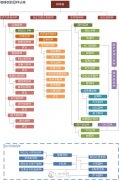
High-quality coffee common sense coffee tree classification selection
Arabica Coffee and Variety improvement. What do the so-called families, genera and species of Arabica species mean in biological classification? In terms of biological classification, it is divided into boundary, phylum, class, order, family, genus and species from top to bottom, and the lower part of the species is subdivided into subspecies, varieties and varieties. Arabica coffee is generally thought to originate from the Ethiopian plateau and is widely divided.
2015-01-08 Boutique coffee common sense classification selection rabbi card variety improvement
Coffee botany
There are more than 60 kinds of coffee, but there are roughly two varieties of coffee grown commercially on a large scale, one is Arabica, accounting for about 70 percent of the world's coffee planting area, and the other is Robasta, accounting for about 30 percent of the world's coffee planting area. According to our national standards, the classification of coffee is mainly divided into the following five varieties. 1. Small seed coffee, that is, Arabian species. Originated in Ethiopia
2014-08-05 Coffee knowledge Coffee Botany Coffee Encyclopedia
History and culture of coffee in El Salvador
A brief History of Coffee production in 1742, coffee was introduced to El Salvador from the Caribbean (1740). In the mid-19th century, El Salvador's original export pillar Indigo (one of the dyes) received a gradual decline in the development of synthetic dyes in Europe, and coffee gradually became the main export product under the guidance of the government. In 1856, the first 693 bags of coffee beans were shipped to Europe. all long
2016-06-13 El Salvador coffee history and culture
Brief History and present situation of Coffee production
A brief History of Coffee production in 1742, coffee was introduced to El Salvador from the Caribbean (1740). In the mid-19th century, El Salvador's original export pillar indigo (Indigo, a kind of dye) industry received a gradual decline in the development of synthetic dyes in Europe, and coffee gradually became the main export product under the leadership of the government. In 1856, the first 693 bags of coffee beans were shipped to Europe.
2016-06-12 Coffee production brief History status quo 1742 Caribbean
Brief introduction of coffee production in El Salvador
A brief History of Coffee production in 1742, coffee was introduced to El Salvador from the Caribbean (1740). In the mid-19th century, El Salvador's original export pillar Indigo (one of the dyes) received a gradual decline in the development of synthetic dyes in Europe, and coffee gradually became the main export product under the guidance of the government. In 1856, the first 693 bags of coffee beans were shipped to Europe. all long
2016-06-04 El Salvador coffee production introduction current situation